
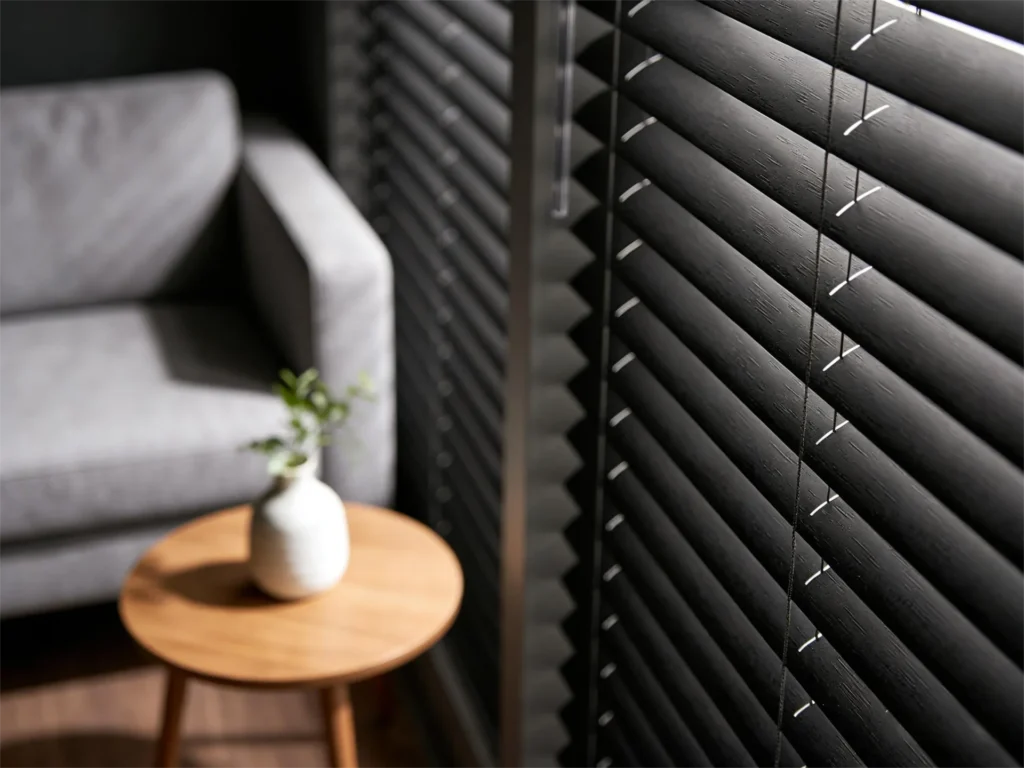
Light Control for Modern Living
Room Darkening vs. Blackout Window Treatments
Everyone expects a certain level of light control from window treatments—but the degree of control varies widely. Some projects require soft light filtering with a sheer effect, while others demand room darkening or full blackout performance.
This article focuses on strong light-control solutions—why they are needed, how different products perform, and how to choose the right level of darkness based on room function and user expectations.
Why Strong Light Control Matters
Clients choose high-performance light control for several key reasons:
- Visual comfort – reducing glare for TV viewing, gaming, or computer work
- Privacy – especially important in bedrooms and street-facing rooms
- Sleep quality – the primary driver for demand, supported by research showing darker rooms contribute to better sleep
While the motivations vary, the goal is the same: creating a controlled, comfortable interior environment.
How Dark Do U Really Need It?
This is the core question when specifying window treatments.
Not every space requires complete darkness. In fact, many projects benefit from a balance—reducing light while maintaining a sense of orientation and visual comfort. To help U decide, it’s important to understand the difference between room-darkening and blackout solutions, and how each performs in real-world applications.
Room Darkening vs. Blackout
Understanding the Key Differences
Room-Darkening Window Treatments
Room-darkening blinds and shades block most incoming light, creating a dim environment during the day and a very dark space at night. A small amount of light may still pass through the fabric or around the edges—often considered an advantage.
Key characteristics:
- Soft, ambient darkness
- Easier navigation within the room
- Excellent balance of comfort, privacy, and aesthetics
- Suitable for the majority of residential and commercial applications
For most users, room-darkening solutions provide all the light control they need.
Blackout Window Treatments
Blackout shades are engineered to block nearly all incoming light, even during full daylight. When paired with side channels or layered systems, light penetration can be reduced to an absolute minimum.
Key characteristics:
- Near-total darkness, day or night
- Ideal for day sleepers, media rooms, and nurseries
- Maximum privacy and visual isolation
Blackout products are often favored by night-shift workers or projects where reversing day and night is essential.
Choosing the Right Solution by Room Type
Bedrooms
- Room darkening: Ideal for most sleepers, offering comfort without total isolation
- Blackout: Best for day sleepers or users requiring extreme darkness
Media Rooms & Home Theaters
- Blackout recommended for eliminating screen glare and achieving a cinema-like experience
Living Rooms & Dining Areas
- Room darkening preferred to control glare while preserving ambiance
Home Offices
- Room darkening balances screen comfort with natural light presence
The Advantages of Room-Darkening Solutions
Room-darkening blinds and shades deliver a unique combination of performance and visual appeal:
- Create a calm, dim environment during the day
- Allow subtle light diffusion that enhances fabric texture
- Provide strong privacy and glare reduction
- Offer added insulation and energy efficiency
For most projects, room-darkening fabrics are the most versatile and widely specified option.
When Blackout Is the Right Choice—and Its Trade-Offs
Blackout fabrics excel at one thing: eliminating light. They can instantly transform a bright room into a night-like environment.
However, this extreme performance comes with considerations:
- Rooms can become too dark for safe movement
- Users may become dependent on total darkness
- Blackout fabrics lack the soft luminosity of room-darkening materials
Layering: A Flexible Compromise
For projects with multiple user preferences, layering offers the best of both worlds.
By combining:
- Blackout shades for total darkness when needed
- Room-darkening or light-filtering drapery for everyday use
U gain maximum flexibility. Motorized systems further enhance usability, allowing precise control via remote or smart devices.
Customization for Maximum Performance
One common concern with blackout systems is light gaps—at the top, bottom, or sides of the shade.
These can be minimized through:
- Precise professional measurement
- Inside-mount configurations built to tight tolerances
- Optional room-darkening or blackout side channels
- Layering with drapery systems
Customization ensures performance matches expectations—especially in high-demand projects.
Expert Guidance Makes the Difference
Every room serves a different purpose, and no single solution fits all spaces. Professional consultation ensures:
- Correct product selection
- Accurate measurement
- Proper installation
- Long-term performance and satisfaction
With expert guidance, U can confidently specify window treatments that meet both functional requirements and design goals.
FAQ
What’s the Difference Between Room Darkening and Blackout?
Room darkening blocks most light; blackout blocks nearly all light. The right choice depends on how much darkness the space truly requires.
Which Option Is Better?
Neither is universally better. The decision depends on room function, user habits, and desired ambiance.
Are Room-Darkening Fabrics Worth It?
Yes. They offer excellent light control, privacy, visual appeal, and versatility—making them the most commonly specified solution.
Do Blackout Shades Have Disadvantages?
They can make spaces difficult to navigate and lack the soft visual quality of room-darkening fabrics. They are best used where extreme darkness is essential.
Which Provides Better Privacy?
Blackout offers maximum privacy. Room darkening also provides strong privacy suitable for most applications.
How Can Light Gaps Be Reduced?
Use precise measurements, inside mounts, side channels, or layered systems with drapery to minimize or eliminate light seepage.
The right level of light control isn’t about extremes—it’s about matching performance to purpose.
With the right solution, U can create spaces that feel comfortable, functional, and perfectly balanced.